Yellowstone National Park
It is east side season. The Lamar, soda butte, and slough creek have all been fishing. Terrestrials have been ruling midday. Ants, Beetles, and hoppers have kicked on heavy. Grey Drakes will also be out all In the Lamar valley, fish have been eating them pretty aggressively as well most of the day. Don't be afraid to twitch those things for the cuttys. Beatis have also show up so be sure to bring some of those Aswell. If you want to throw a dropper around, stick in the caddis realm in the afternoons and the mayflies in the morning and keep them small in the realm of 18-22. A pheasant tail and hares ear are good ones to have on you. The streamer bite is picking up a little as well. Smaller black and olive buggers are a good bet. It won't be long now, the west side is cooling off and the browns will be on the move.
Park biologists are conducting a study to determine fish movement patterns and population sizes in Yellowstone Lake and several other park waters. Biologists have attached a Floy tag near the fish’s dorsal fin. The tags are typically orange or yellow in color and have a unique identification number.
If you catch a tagged cutthroat:
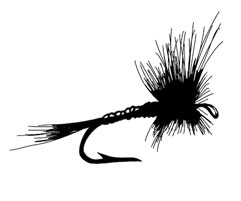
Dries:
X Caddis white (16), Royal Wolf 16, Elk Hair Caddis 14-16, Parachute Adams 14-18. Chubby (10-14) Chubby Chernobyl (6-10), Elk Hair Caddis (12-16), Chubby Sally (10-12), CFO ant (12-16), Maddonna's Panty (16), Beetle Patterns (12-14), Drake patterns (14-10), Pseudo Sparkle dun (18-20)
Nymphs:
Yellow, green and Orange soft hackles (16), Pheasant tails (14-16), Spanish Bullet ( 16-18), PMD Perdigons (16) Prince Nymph (16-18), Frenchie's (16-18) Stonefly Nymphs (4-10), Jig Prince (14-16), (Baetis Nymphs 18-20)
Streamers:
Kreelux Minnow (8), Sparkle Minnow (8), Black/Olive woolly buggers, Sculpzilla Black (8)